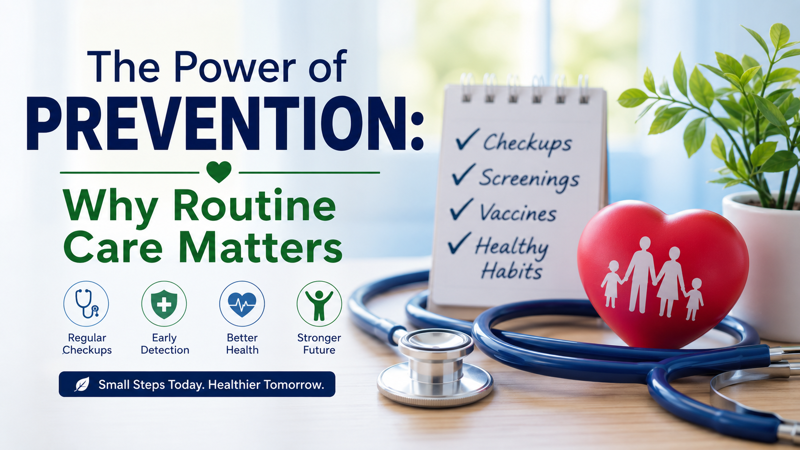
The Power Of Prevention: Why Routine Care Matters
The Power Of Prevention explains why routine care matters, how preventive healthcare works, and why regular primary care visits improve long-term health.
The power of prevention lies in identifying health concerns before they become serious. Routine care helps detect diseases early, supports long-term wellness, reduces healthcare costs, and strengthens your relationship with a trusted primary care physician for better overall health.
Have you ever wondered why some people stay healthier for years while others seem to struggle with preventable illnesses? The answer often comes down to one simple habit—routine preventive care. Regular checkups are not just for when you’re sick. They are one of the smartest investments you can make in your future health.
Preventive healthcare helps identify hidden health risks before they become major problems. It allows healthcare providers to monitor your overall wellness, recommend healthy lifestyle changes, and detect conditions at an early stage when treatment is usually easier and more effective. Whether you’re young, middle-aged, or a senior, routine care gives you the best chance of living a healthier, longer life.
🩺 Understanding The True Power Of Prevention
Prevention focuses on stopping diseases before they develop or catching them early enough to prevent complications. Instead of waiting until symptoms appear, preventive care helps healthcare providers monitor your health regularly. This proactive approach reduces unnecessary hospital visits and improves your quality of life.
Routine care includes annual physical exams, blood pressure checks, cholesterol screenings, diabetes testing, vaccinations, cancer screenings, and lifestyle counseling. These services work together to protect your long-term health. Small steps today often prevent larger health challenges tomorrow.
Many chronic diseases develop silently over several years. High blood pressure, diabetes, and heart disease often show few warning signs in their early stages. Regular medical visits make it possible to identify these conditions before they become dangerous.
A healthy future begins with consistent preventive care—not emergency care. 💙
Routine care also creates a strong partnership between patients and healthcare providers. Over time, your doctor becomes familiar with your medical history, family history, lifestyle, and personal health goals.
👨⚕️ Why A Primary Care Physician Is Your Health Partner
A Primary Care Physician serves as the first point of contact for nearly every healthcare need. Instead of treating only illnesses, they focus on maintaining overall wellness through preventive care, routine screenings, vaccinations, and personalized health advice. Building a long-term relationship with one physician creates better continuity of care and helps improve health outcomes over time.
If you’re looking for Primary Care Serving Frisco, choosing an experienced provider means gaining access to comprehensive healthcare for every stage of life. Primary Care Serving Frisco focuses on preventive medicine, chronic disease management, health education, and early diagnosis. Regular visits help ensure small health concerns never become larger medical issues.
🌿 Why Routine Care Matters More Than You Think
Routine healthcare appointments do much more than simply check your vital signs. They create opportunities to discuss lifestyle habits, nutrition, stress management, exercise routines, sleep quality, and emotional well-being. Every visit contributes to a more complete understanding of your overall health.
Many serious diseases begin quietly without noticeable symptoms. High cholesterol, osteoporosis, kidney disease, thyroid disorders, and certain cancers may develop slowly over several years. Early detection often leads to more successful treatment and lower healthcare costs.
Healthcare providers also update vaccinations and recommend age-appropriate screenings during routine visits. These preventive services protect both individuals and communities by reducing the spread of preventable illnesses.
| Routine Care Service | Primary Benefit | Recommended Frequency |
| Annual Physical Exam | Overall Health Assessment | Every Year |
| Blood Pressure Check | Heart Health | Every Visit |
| Cholesterol Screening | Cardiovascular Risk | Every 4–6 Years (or as advised) |
| Diabetes Screening | Early Detection | Based on Risk Factors |
| Cancer Screening | Early Diagnosis | Age & Risk Dependent |
❤️ Early Detection Saves Lives
Finding a disease early dramatically improves treatment outcomes. Conditions like breast cancer, colorectal cancer, cervical cancer, diabetes, and hypertension respond much better when diagnosed before complications develop.
Early detection often means simpler treatments, fewer medications, lower healthcare expenses, and faster recovery. In many cases, preventive screenings identify health issues before symptoms appear, giving patients more treatment options.
Doctors recommend screening schedules based on age, family history, gender, and individual risk factors. Following these recommendations gives you the greatest opportunity for long-term wellness.
The earlier a condition is discovered, the greater the chance of successful treatment.
🥗 Healthy Lifestyle Counseling Makes A Difference
Routine appointments are an excellent time to discuss healthy lifestyle habits. Your healthcare provider can recommend realistic improvements based on your current health, medical history, and personal goals.
Lifestyle counseling may include guidance on:
- 🥦 Healthy eating habits
- 🚶 Regular physical activity
- 😴 Better sleep routines
- 🚭 Smoking cessation
- 🍎 Weight management
- 🧘 Stress reduction
- 💧 Proper hydration
Small improvements often create significant long-term health benefits. Even modest lifestyle changes can reduce the risk of heart disease, diabetes, obesity, and certain cancers.
Healthcare providers also monitor your progress during future visits, helping you stay motivated and accountable.
💉 Vaccinations Protect More Than Children
Many adults mistakenly believe vaccines are only important during childhood. In reality, adults also need routine immunizations throughout life.
Vaccines help protect against influenza, shingles, pneumonia, COVID-19, tetanus, hepatitis, and other preventable diseases. Keeping vaccinations current reduces both personal health risks and community transmission.
Preventive immunizations become increasingly important as people age or develop chronic medical conditions. Routine healthcare visits ensure your vaccination schedule stays up to date.
| Vaccine | Who May Need It | Purpose |
| Flu Vaccine | Most Adults | Annual Protection |
| Tetanus Booster | Adults Every 10 Years | Prevent Infection |
| Shingles Vaccine | Older Adults | Reduce Shingles Risk |
| Pneumonia Vaccine | Seniors & High-Risk Adults | Prevent Lung Infection |
🧠 Mental Health Is Preventive Health Too
Preventive healthcare includes emotional and mental wellness. Anxiety, depression, chronic stress, and burnout affect millions of adults every year.
Routine visits provide a safe opportunity to discuss emotional challenges without judgment. Healthcare providers can recommend counseling, stress management techniques, lifestyle adjustments, or additional support when needed.
Mental health affects nearly every aspect of physical wellness. Poor emotional health may increase blood pressure, weaken immunity, disrupt sleep, and contribute to chronic disease.
Taking care of your mind is just as important as taking care of your body.
👨👩👧 Family History Helps Predict Future Risks
Your family’s medical history offers valuable clues about your own health risks. Conditions such as heart disease, diabetes, certain cancers, and high blood pressure often have genetic components.
During routine visits, healthcare providers review family history alongside your current health. This information allows them to recommend personalized screening schedules and preventive strategies.
Knowing your family history doesn’t guarantee you’ll develop a disease. Instead, it gives you the opportunity to reduce risks through healthy habits and early monitoring.
💰 Prevention Can Reduce Healthcare Costs
Many people avoid routine healthcare because they worry about medical expenses. Ironically, preventive care often saves money over time.
Treating advanced diseases usually requires expensive medications, surgeries, hospital stays, and specialist care. Preventive care helps avoid many of these costs by identifying problems earlier.
Benefits of preventive healthcare include:
- Lower emergency room visits
- Reduced hospitalization
- Earlier treatment
- Better medication management
- Fewer complications
- Improved long-term wellness
Investing in prevention today often prevents much larger medical bills tomorrow.
| Preventive Care | Potential Long-Term Savings |
| Annual Checkups | Fewer Emergency Visits |
| Blood Pressure Monitoring | Reduced Stroke Risk |
| Diabetes Screening | Lower Treatment Costs |
| Lifestyle Counseling | Better Overall Health |
👨👩👧👦 Routine Care Benefits Every Age Group
Preventive healthcare is valuable throughout every stage of life. Children require developmental screenings and vaccinations. Adults benefit from chronic disease prevention and lifestyle guidance. Seniors need additional monitoring to maintain independence and quality of life.
Healthcare needs naturally change with age. Routine care ensures those changing needs receive appropriate attention before serious complications develop.
Families who prioritize preventive healthcare often enjoy healthier lives together. Parents also set positive examples that encourage lifelong healthy habits in children.
📅 Building A Preventive Healthcare Routine
Creating a preventive healthcare routine doesn’t have to be complicated. Consistency matters more than perfection.
Helpful habits include:
- Schedule an annual wellness exam.
- Keep vaccination records updated.
- Complete recommended screenings.
- Monitor blood pressure regularly.
- Stay physically active.
- Eat balanced meals.
- Sleep at least seven hours.
- Discuss health concerns honestly.
These simple habits create a strong foundation for lifelong wellness.
Your health is your greatest asset. Protect it before problems appear—not after. 🌱
✅ Conclusion
The power of prevention goes far beyond avoiding illness. Routine care supports healthier living, detects diseases earlier, strengthens your relationship with a trusted primary care physician, and reduces long-term healthcare costs. Preventive healthcare empowers you to take control of your well-being through regular checkups, healthy lifestyle choices, and personalized medical guidance.
The best time to protect your health is before symptoms begin. Every routine appointment is an investment in a healthier future, allowing you to enjoy life with greater confidence, energy, and peace of mind.
Frequently Asked Questions
What happens during a routine preventive care visit?
A routine preventive care visit includes a physical exam, health screenings, vaccination review, and lifestyle discussion. Your doctor also evaluates your medical and family history. These visits help detect potential health concerns early.
How often should adults schedule routine checkups?
Most healthy adults should schedule a routine wellness visit once each year. Some individuals with chronic conditions may require more frequent appointments. Your physician will recommend the best schedule.
Why is a primary care physician important?
A primary care physician manages your overall health throughout every stage of life. They coordinate preventive care, diagnose illnesses, and monitor chronic conditions. Long-term relationships improve continuity of care and health outcomes.
Can preventive care lower future medical costs?
Yes. Preventive care identifies health issues before they become expensive medical emergencies. Early treatment usually costs less than managing advanced disease. Regular checkups often reduce hospitalizations and complications.
What preventive screenings should adults consider?
Recommended screenings depend on age, gender, family history, and personal risk factors. Common examples include blood pressure checks, cholesterol testing, diabetes screening, cancer screenings, and vaccinations. Your physician can recommend the right schedule based on your individual health needs.